

Peelings
Exfoliation is an effective method for removing dead skin cells from the skin's surface. When these build up, the skin can appear uneven, dull, and pores become more easily clogged.
Through regular exfoliation, the skin's natural renewal process is stimulated, resulting in a clearer, smoother, and healthier complexion with enhanced radiance. At the same time, the skin's texture and ability to absorb subsequent products are improved.

Different Types of Exfoliation
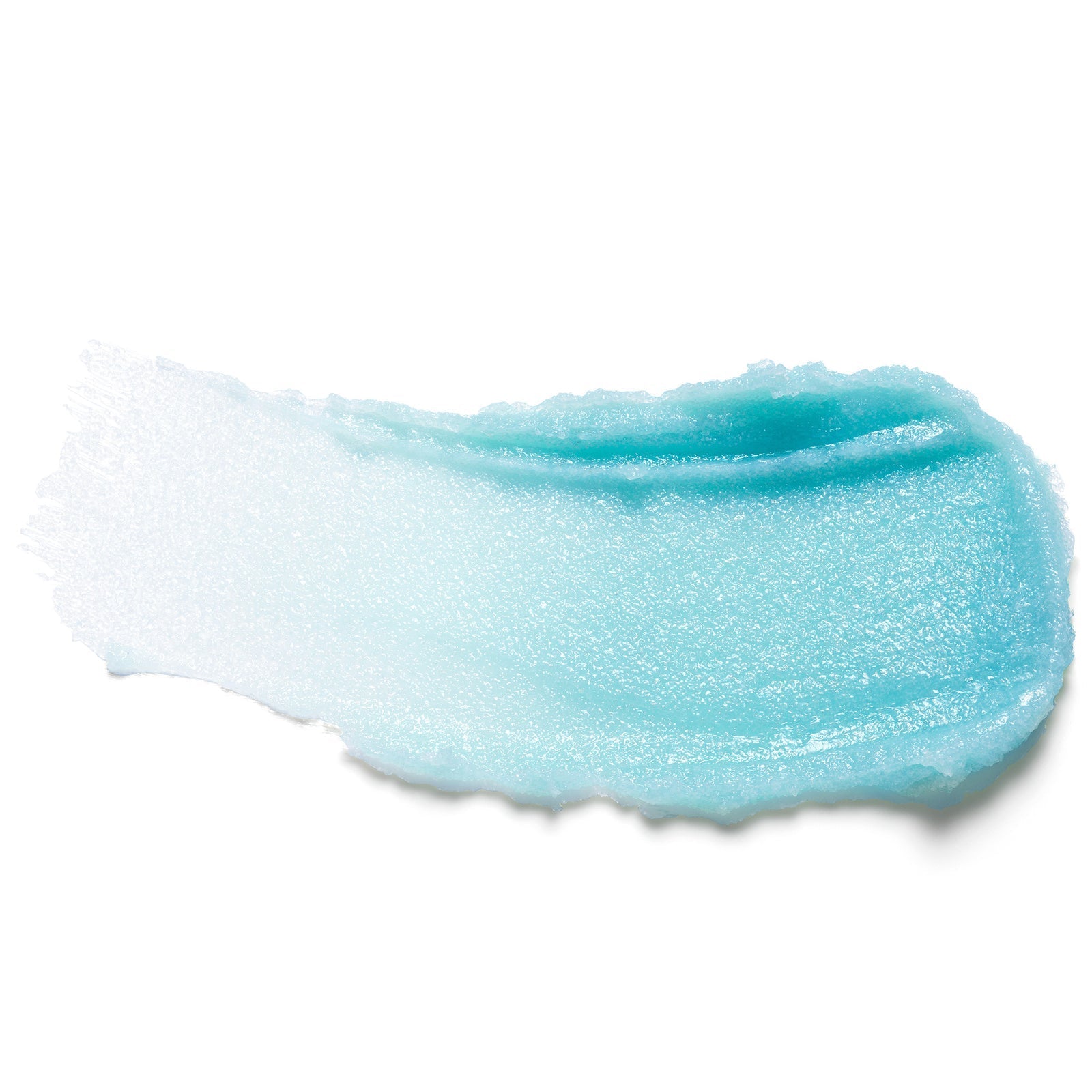
✔ Physical Exfoliation (Scrub) – Contains small beads or crystals that physically scrub away dead skin cells. Provides immediate softness and is suitable for normal to resilient skin. Should be used with caution on sensitive or acne-prone skin.
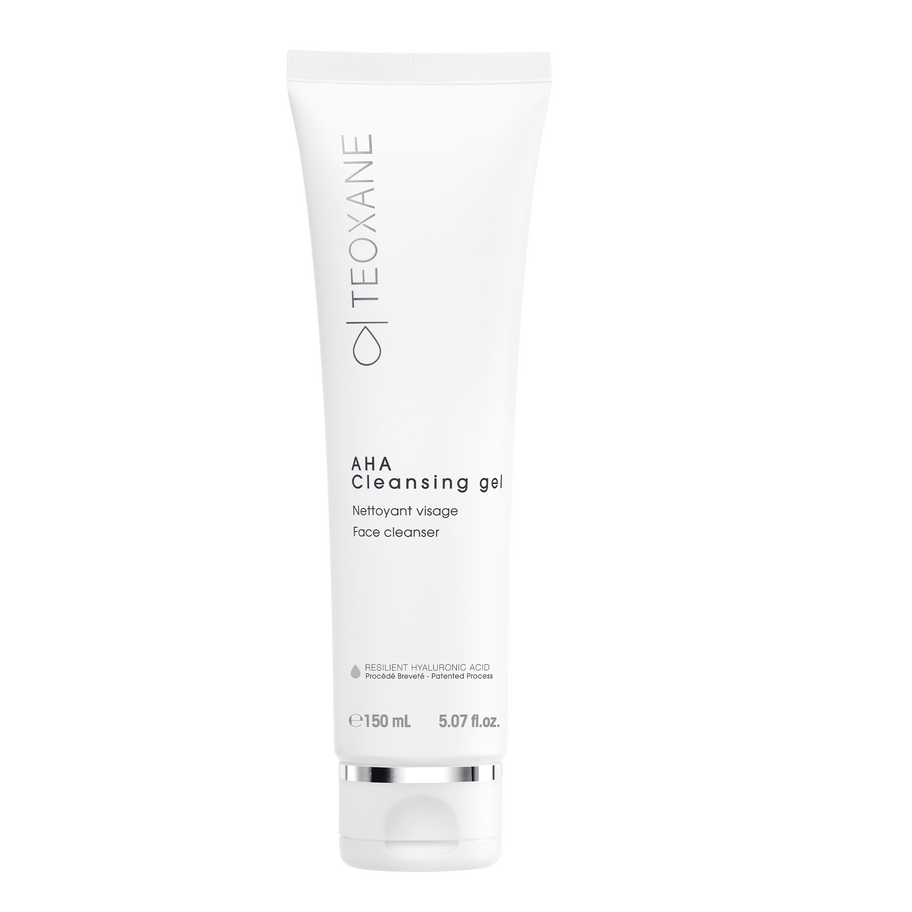
✔ Chemical Peeling (AHA/BHA/PHA) – Consists of acids that dissolve the bonds between dead skin cells and stimulate cell turnover.
– AHA (glycolic acid, lactic acid) works on the skin's surface to improve skin tone and texture.
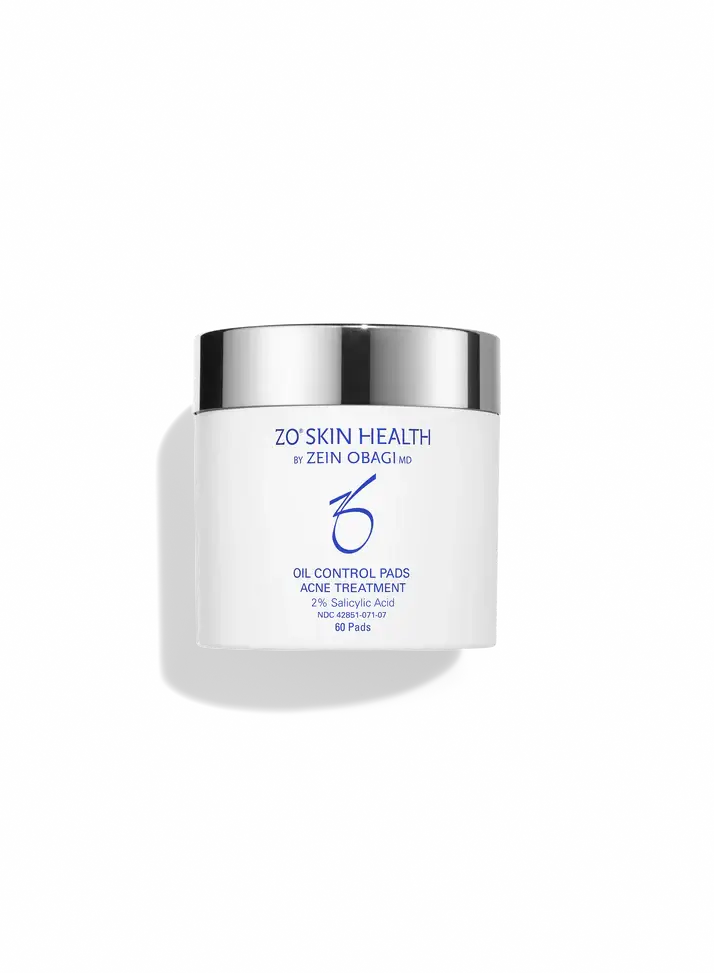
– BHA (salicylic acid) is oil-soluble, deeply cleanses the pores, and is particularly effective for acne-prone skin.
– PHA is a gentler acid well-suited for sensitive skin.
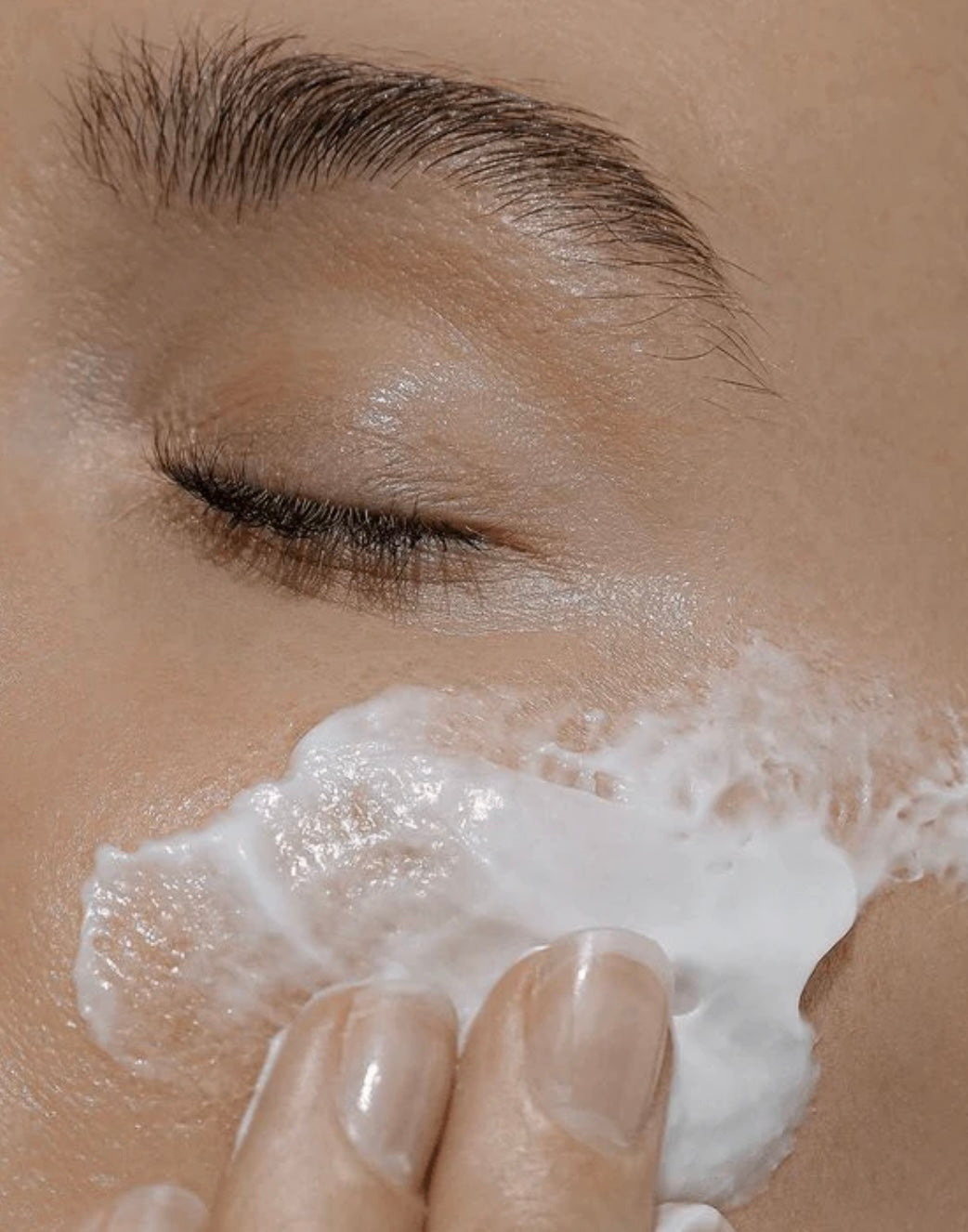
✔ Enzyme Peeling – Contains enzymes from fruits such as papaya, pineapple, or pumpkin that gently dissolve dead skin cells. A great option for skin that does not tolerate scrubs or stronger acids.
✔ Medical/Advanced Peels – Performed by a skin therapist or doctor and contain higher concentrations of active ingredients such as TCA, retinol, or phenol. These treatments can improve deeper skin conditions like pigmentation, acne scars, and signs of aging.
Exfoliation comes in many variations—from mild enzyme treatments to powerful medical acids. The right exfoliant is always chosen based on skin type, skin condition, and individual needs to achieve the best possible results.
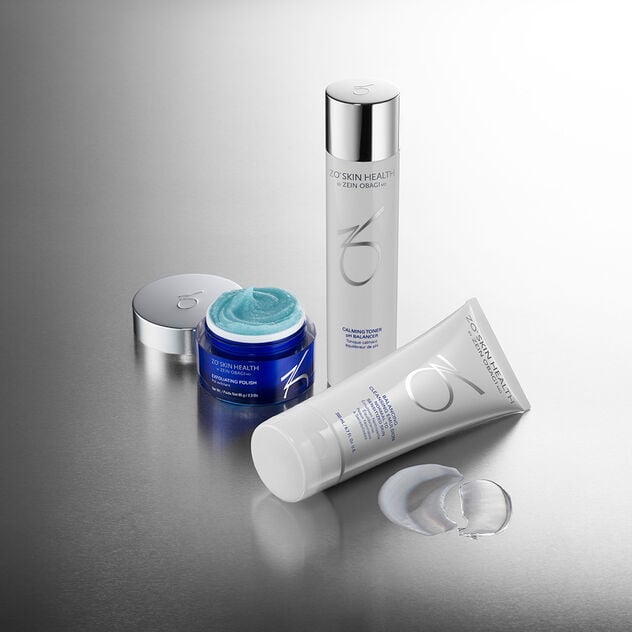
ZO Exfoliating Polish
895 kr

ZO Wrinkle + Texture Repair 50ml
1,995 kr


ZO Radical Night Repair 50ml
2,425 kr
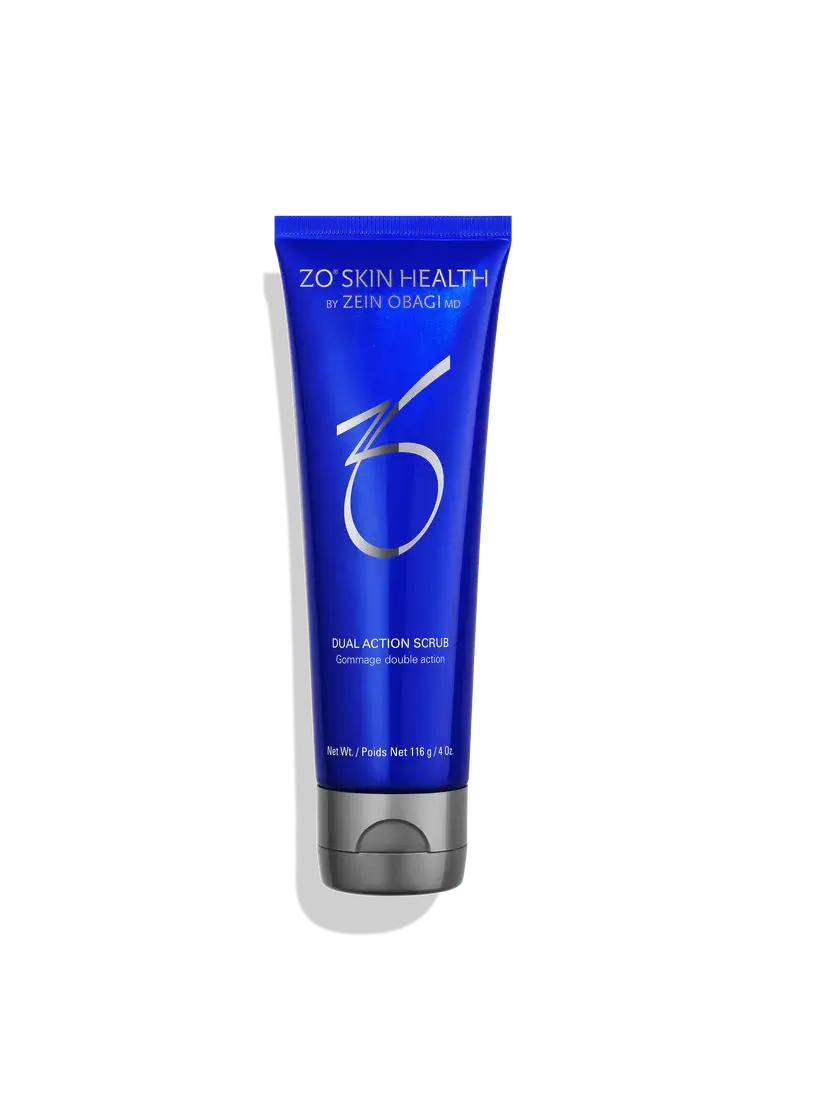
ZO Dual Action Scrub 116g
995 kr
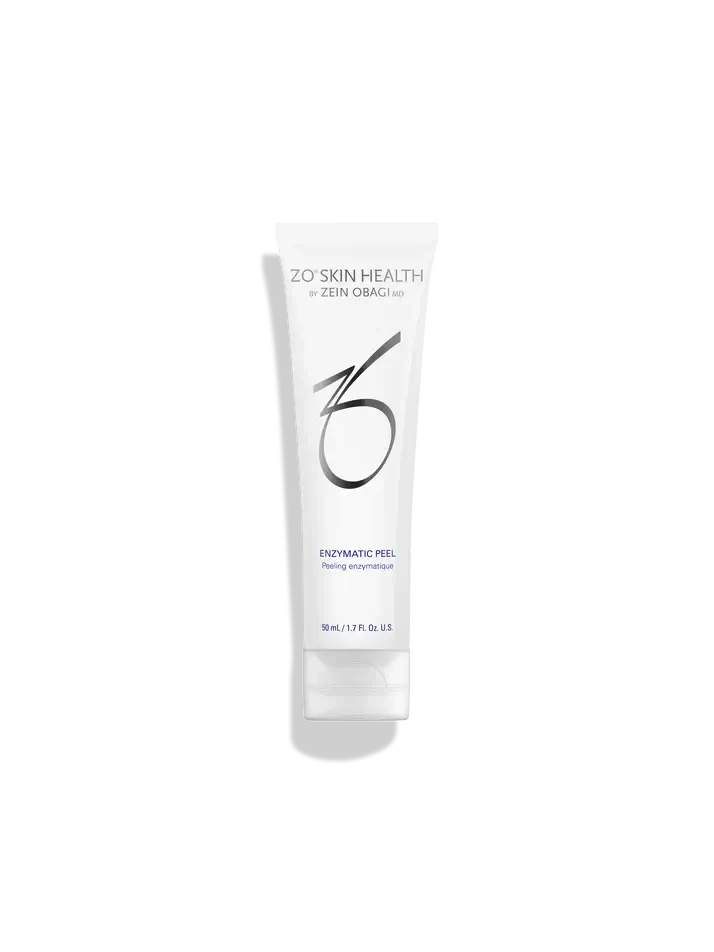
ZO Enzymatic Peel 50ml
1,125 kr
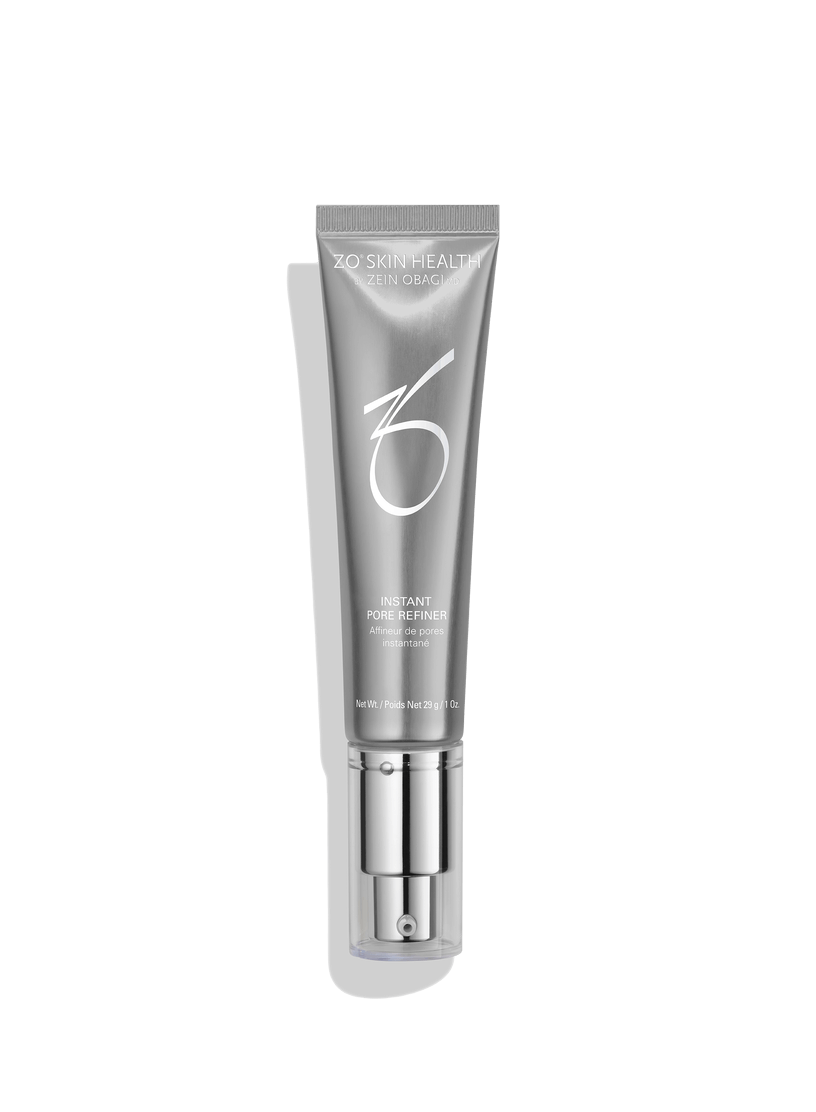
ZO Instant Pore Refiner 29g
895 kr
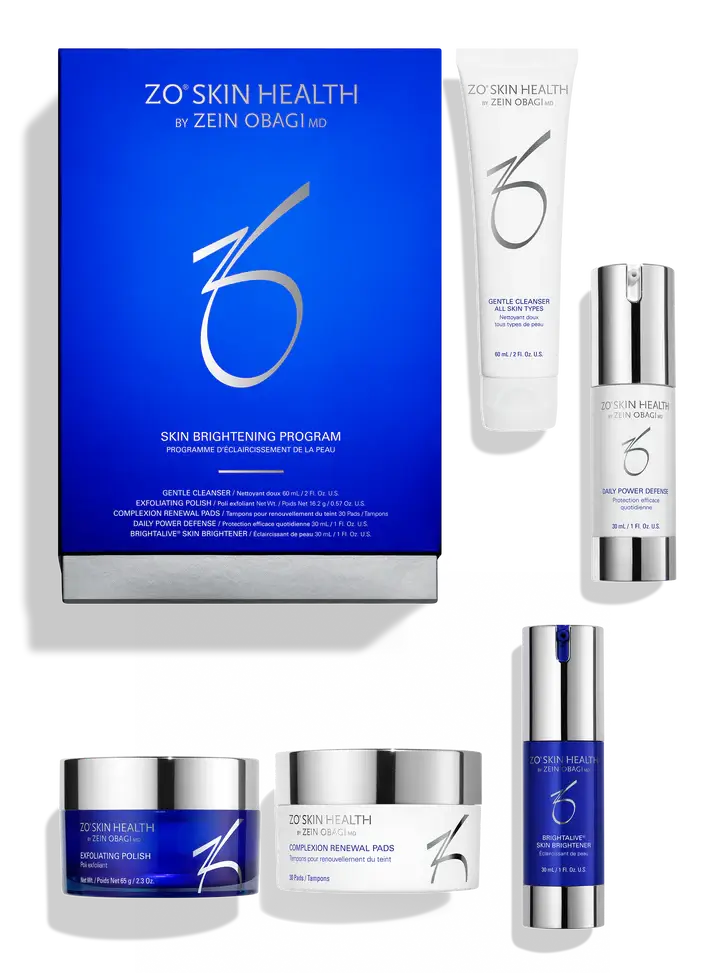
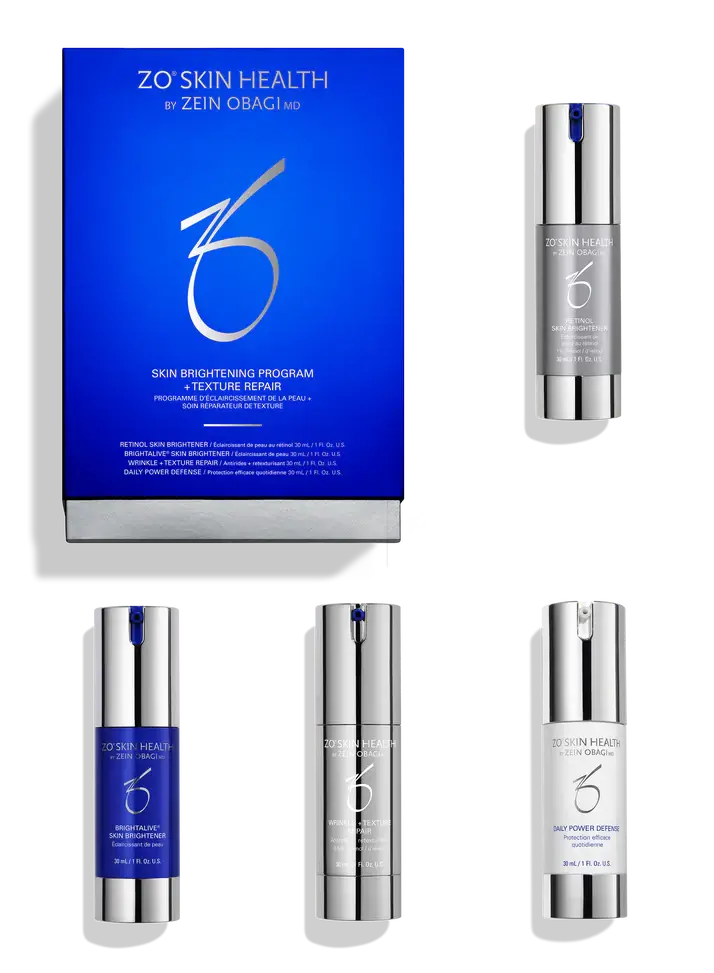
ZO Skin Brightening Program 5pcs
2,695 kr
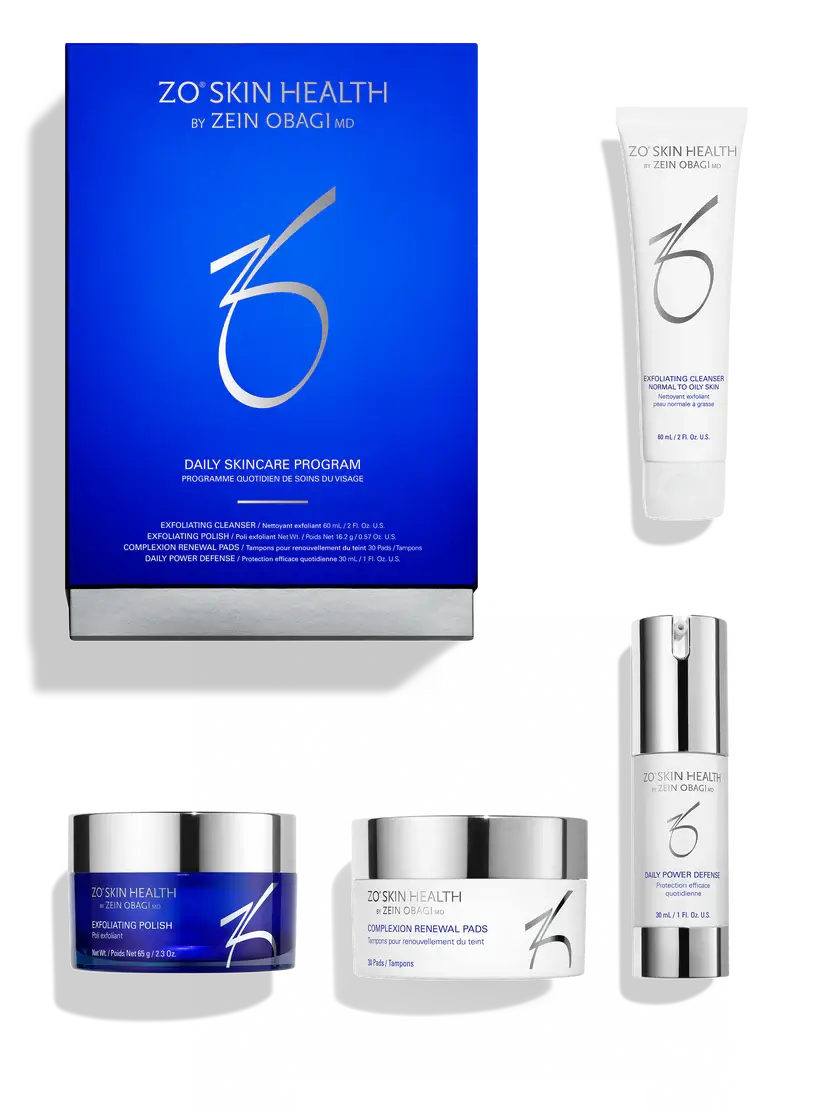
ZO Daily Skincare Program 4pcs
1,770 kr
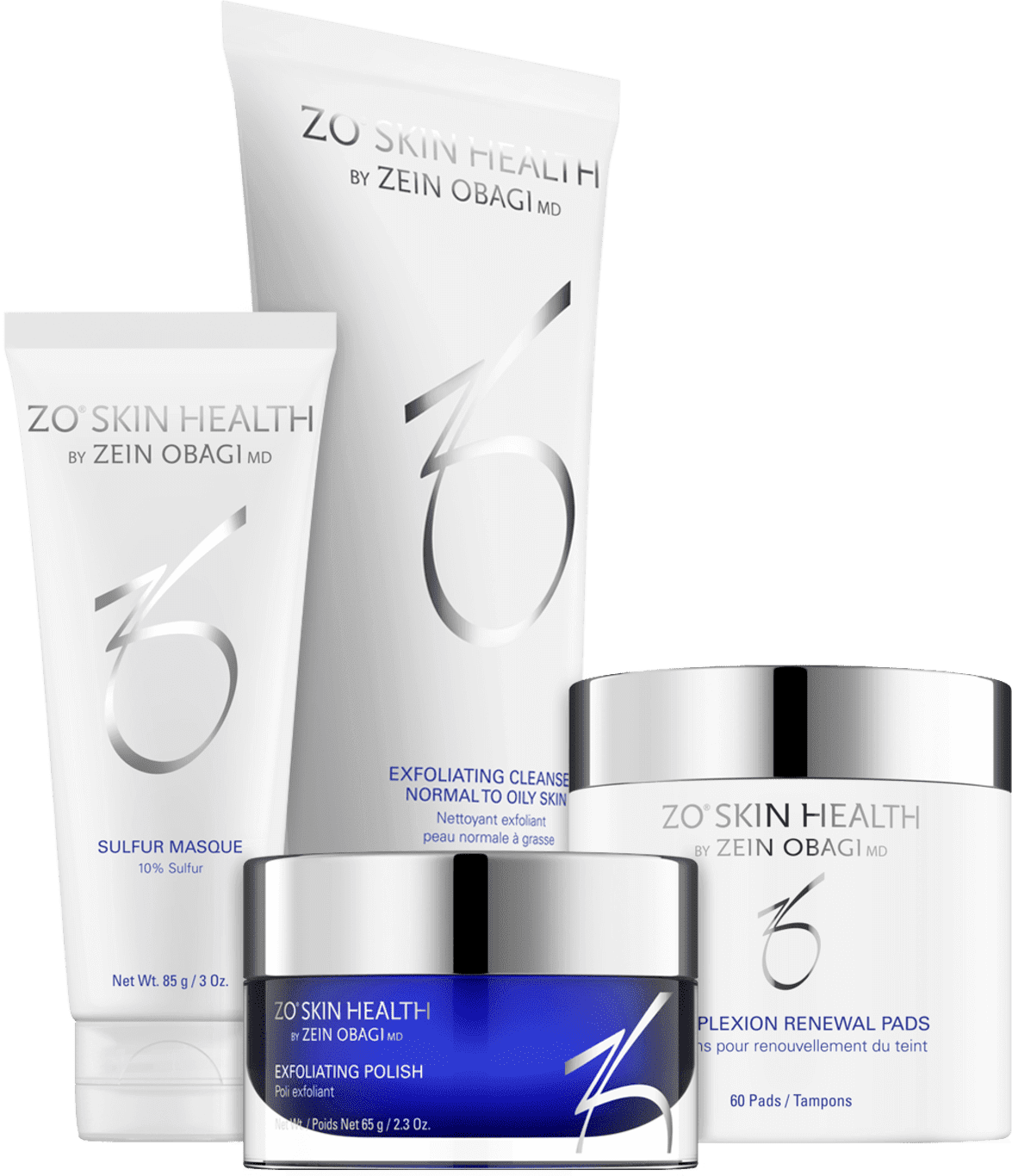


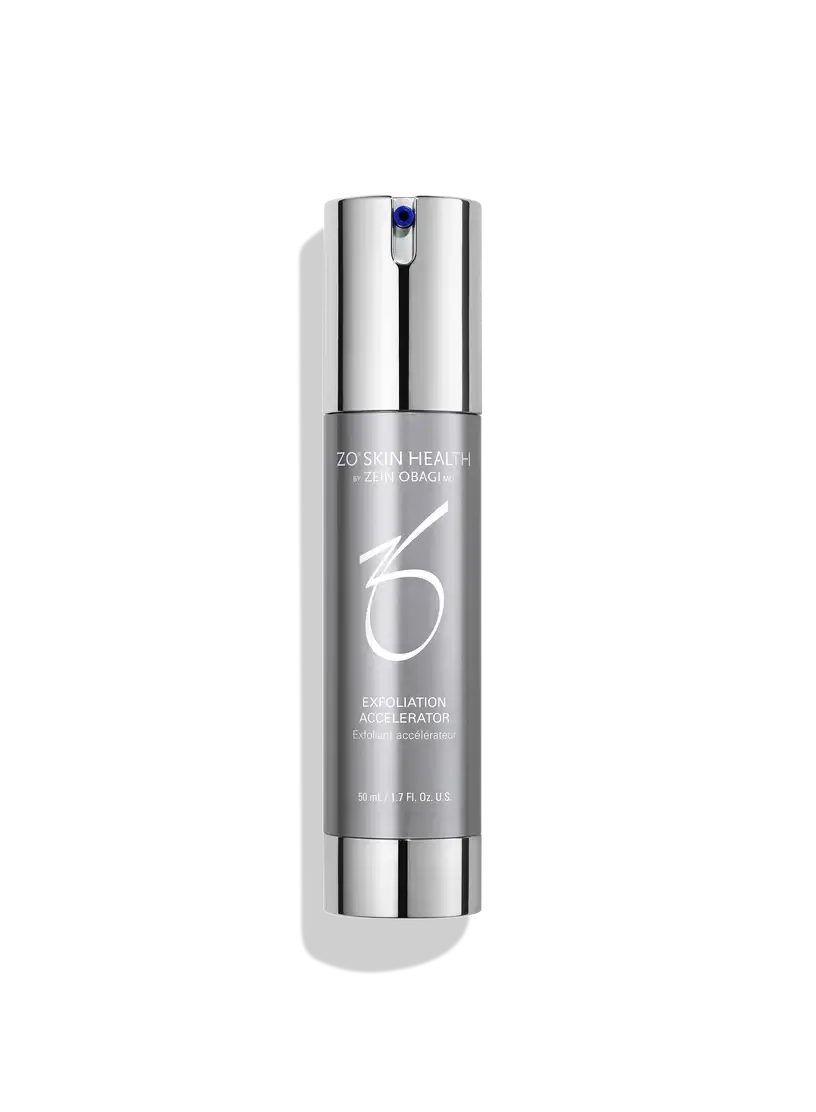
ZO Exfoliation Accelerator 50ml
1,075 kr